


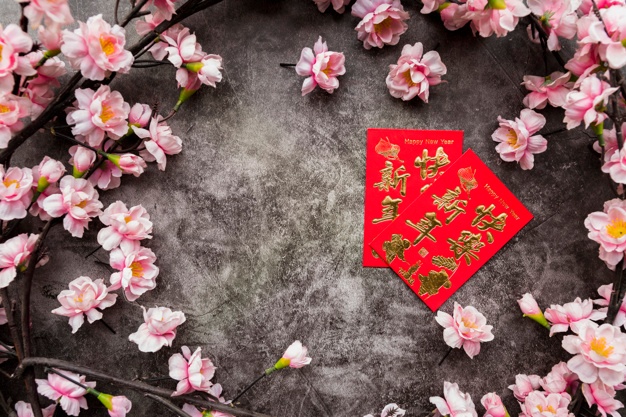
Chinese New Year (also called Lunar New Year or the Spring Festival) is one of Singapore’s most anticipated celebrations. From festive home styling to corporate gifting, Chinese New Year flowers remain a meaningful way to welcome prosperity, happiness, and fresh beginnings. Because the celebration follows the lunar calendar, the date changes yearly, typically falling between late January and mid-February.
In Singapore, it’s common to decorate living spaces, offices, and shopfronts with red-and-gold accents, auspicious plants, and symbolic blooms. If you’re planning your CNY setup early, choosing the right flowers can instantly lift the festive mood while carrying traditional wishes for the year ahead.
Find our hampers selection for any occasion.
Looking for a simple way to send blessings? You can also order Chinese New Year flowers in Singapore for family, friends, or business partners.
Facts About Chinese New Year in Singapore
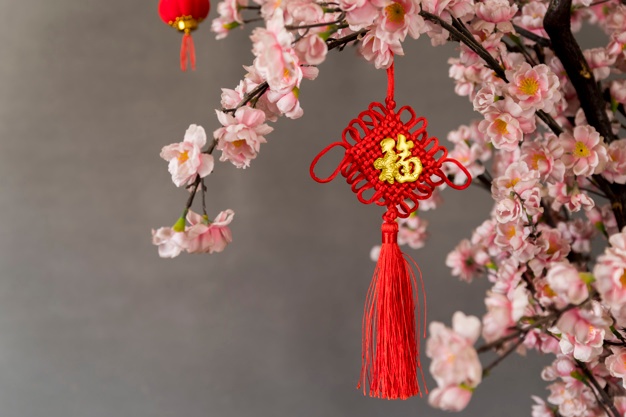
Chinese New Year has a long history and remains deeply rooted in cultural traditions across Asia. In Singapore, it’s celebrated with family reunions, temple visits, festive meals, and vibrant public decorations—especially in areas like Chinatown.
Discover our flower bouquets today.
| Quick Fact | What It Means |
|---|---|
| Festival Timing | Varies yearly; usually late January to mid-February (lunar calendar) |
| Signature Colours | Red and gold represent luck, joy, and prosperity |
| Zodiac Cycle | 12 animals rotate yearly (rat, ox, tiger, rabbit, dragon, snake, horse, goat, monkey, rooster, dog, pig) |
| Common Traditions | Reunion dinners, ang bao, decorations, gifting, visiting relatives |
One standout tradition is decorating with auspicious items—especially flowers and plants that symbolise growth, abundance, and a positive start.
Read also: All About Chinese New Year
Why Do Red Decorations Appear Everywhere During Chinese New Year?
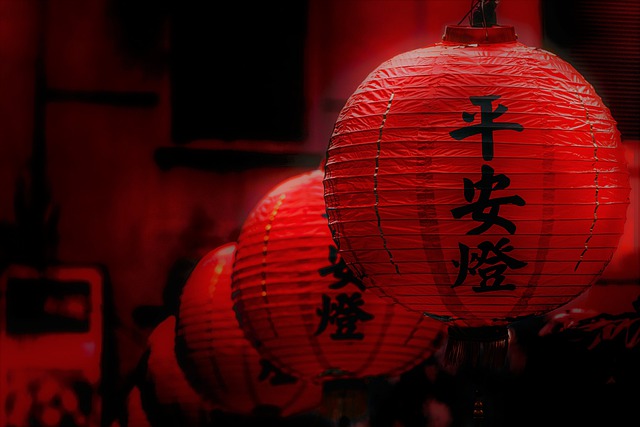
Red is considered an auspicious colour because it represents positivity—happiness, good fortune, vitality, and success. During CNY in Singapore, you’ll see red everywhere: lanterns, banners, envelopes, floral arrangements, and festive ornaments.
| Red Element | Symbolism |
|---|---|
| Red lanterns | Celebration, hope, and a bright year ahead |
| Ang bao (red packets) | Sharing blessings and prosperity |
| Red florals | Vitality, good luck, and festive energy |
| Red banners | Protection and positive wishes |
Chinese New Year Decorations: Popular Items in Singapore
Decorating for Chinese New Year is a big part of the festive build-up. In Singapore, homes and workplaces often combine traditional symbolism with modern styling— clean floral centrepieces, doorway displays, and thoughtful gift sets.
1) Red Lanterns
Red lanterns are commonly displayed outside homes and businesses. They create a festive glow and represent bright hopes for the new year.
2) Firecrackers (Symbolic)
Firecrackers traditionally represent driving away bad luck. While physical firecrackers are not common in Singapore due to regulations, the symbolism continues through decoration motifs and festive displays.
3) Ang Bao (Red Packets)
Ang bao gifting is a beloved tradition in Singapore, typically given by married adults to children and unmarried relatives as a blessing for the year ahead.
4) Mandarin Oranges
Mandarin oranges are a signature CNY gift in Singapore, often exchanged during visits. They’re associated with wealth and abundance.
5) Flowers & Auspicious Plants
Flowers are among the most elegant ways to decorate and gift for CNY—perfect for both personal celebrations and corporate gifting.
| Decoration | Why It’s Popular |
|---|---|
| Lanterns | Instant festive atmosphere and bright symbolism |
| Ang bao | Classic blessing tradition in Singapore households |
| Mandarin oranges | Simple, meaningful gifting for home visits and colleagues |
| Flowers | Beautiful décor with symbolic meaning; easy gifting option |
Best Flowers for Chinese New Year 2026 (Lucky Blooms)
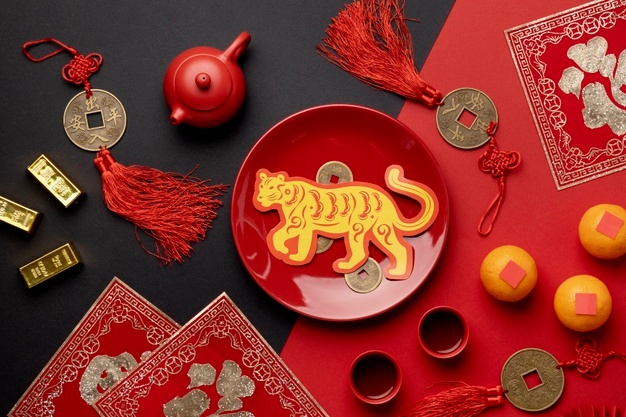
If you’re choosing Chinese New Year flowers in Singapore, the best picks are blooms that carry auspicious meanings—prosperity, success, renewal, and harmony. These are popular for home décor, office arrangements, and gift deliveries.
| Flower | Meaning | Best For |
|---|---|---|
| Orchids | Elegance, abundance, fertility | Corporate gifting, home styling, modern arrangements |
| Peach Blossoms | Prosperity, growth, romance luck | Home decoration, festive entryways |
| Plum Blossoms | Resilience, perseverance, reliability | Meaningful gifting, traditional setups |
| Peonies | Wealth, honour, good fortune | Statement bouquets, premium gifting |
| Pussy Willows | Growth and prosperity | Business wishes, office displays |
| Narcissus (Water Fairy Flower) | Good fortune and prosperity | Traditional décor, new beginnings symbolism |
How to Choose Chinese New Year Flowers (Home vs Corporate Gifting)
For Home Decoration
Choose flowers that feel warm and celebratory—orchids for modern interiors, peach blossoms for tradition, or mixed red florals to match festive accents.
For Corporate Gifting in Singapore
Corporate CNY gifts often favour premium, polished options: orchid arrangements, peonies, or prosperity-themed florals paired with mandarin oranges. Keep it elegant, auspicious, and easy to display in an office setting.
If you want a convenient option, you can send Chinese New Year flowers in Singapore with delivery timing that suits reunion visits or office gifting.
FAQ: Chinese New Year Flowers in Singapore
What are the most auspicious Chinese New Year flowers?
Orchids, peach blossoms, peonies, pussy willows, plum blossoms, and narcissus are among the most symbolic and popular choices.
When should I decorate for Chinese New Year in Singapore?
Many households begin decorating 1–2 weeks before Chinese New Year and keep it through the 15th day (Lantern Festival).
Are flowers suitable for corporate gifting during CNY?
Yes. Flowers are a well-received corporate gift in Singapore because they are tasteful, symbolic, and easy to display in offices or reception areas.
Do people still exchange mandarin oranges with flowers?
Yes. Mandarin oranges remain a classic symbol of wealth and abundance, and they pair naturally with festive flower arrangements.
