


Flower Recommendations Based on MBTI Personality Types
Flowers are more than just a decoration; they can describe a person's personality type and mood. There are 16 personality types in the MBTI (Myers-Briggs Type Indicator), and combining your interest in flowers with your MBTI personality type can create a more personalized and meaningful experience. In fact, it's not impossible to gift flowers to someone and have them instantly like it because it matches their personality type. Here are flower recommendations for MBTI from FlowerAdvisor that can help you find flowers that match the 16 MBTI types!
1. Red Rose - ISTJ (Introverted, Sensing, Thinking, Judging)
ISTJs are known for being organized and practical. People with this type like things to be clearly structured. Therefore, red roses are an ideal choice. Red roses will create a classic impression and have an organized shape. Just as ISTJs are highly dedicated and responsible, red roses symbolize deep love and loyalty.
Looking for gifts? Explore our rose collection.
Recommended Flower
Red Roses
Symbolism
Deep love and loyalty
Discover our lily bouquets today.
FAQ
- Why are red roses suitable for ISTJs? Red roses symbolize structured love and responsibility, which resonates with ISTJs' practical and loyal nature.
2. Lily - ISFJ (Introverted, Sensing, Feeling, Judging)
ISFJs are known for their caring and considerate nature towards others. For this reason, lily is a flower that suits this personality type. Lily symbolizes purity, loyalty, and dedication. It reflects a gentle and empathetic nature similar to ISFJs who always strive to help and support those around them.
Recommended Flower
Lily
Symbolism
Purity, loyalty, and dedication
FAQ
- What makes lilies ideal for ISFJs? Lilies represent purity and loyalty, which reflect ISFJs' empathetic and supportive nature.
3. Orchid – INFJ (Introverted, Intuitive, Feeling, Judging)
Orchids are a flower that symbolizes exotic beauty. It suits INFJs who have intuitive and idealistic characteristics. The complexity of orchids also reflects the INFJ's deep creativity. This flower represents peace and balance, which INFJs often seek in their lives.
Recommended Flower
Orchid
Symbolism
Exotic beauty, peace, and balance
FAQ
- Why are orchids suitable for INFJs? Orchids symbolize peace, balance, and creativity, which align with the intuitive and idealistic qualities of INFJs.
4. Black Tulip – INTJ (Introverted, Intuitive, Thinking, Judging)
INTJs, who are known for their strategic and forward-thinking nature, will feel right at home with black tulips. Black tulips symbolize mystery and uniqueness, reflecting the INTJ's depth of mind and futuristic vision.
Recommended Flower
Black Tulip
Symbolism
Mystery and uniqueness
FAQ
- Why are black tulips ideal for INTJs? Black tulips symbolize mystery and uniqueness, traits that reflect the INTJ's depth of thought and strategic vision.
5. Cactus – ISTP (Introverted, Sensing, Thinking, Perceiving)
ISTPs, who are independent and flexible, will appreciate cactus flowers. The cactus symbolizes resilience, adaptability, and simplicity, all of which reflect the nature of ISTPs.
Recommended Flower
Cactus
Symbolism
Resilience and adaptability
FAQ
- Why is a cactus a good match for ISTPs? Cacti represent resilience and simplicity, which reflect ISTPs' love for freedom and their adaptable nature.
6. Sunflower – ISFP (Introverted, Sensing, Feeling, Perceiving)
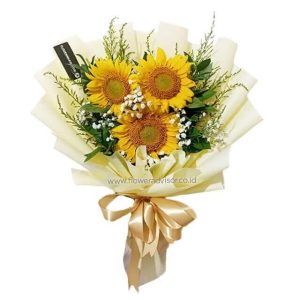
Sunflowers symbolize warmth, happiness, and vibrancy, perfectly matching the cheerful and creative nature of ISFPs.
Recommended Flower
Sunflower
Symbolism
Warmth, happiness, and vibrancy
FAQ
- Why are sunflowers great for ISFPs? Sunflowers reflect the ISFP's cheerful and artistic nature, symbolizing happiness and warmth.
7. Bluebell – INFP (Introverted, Intuitive, Feeling, Perceiving)
Bluebells symbolize simple beauty and loyalty, which perfectly match the sensitive and emotional nature of INFPs.
Recommended Flower
Bluebell
Symbolism
Simple beauty and loyalty
FAQ
- Why is the bluebell perfect for INFPs? Bluebells represent simplicity and loyalty, which align with the sensitive and idealistic nature of INFPs.
8. Butterfly Pea Flower – INTP (Introverted, Intuitive, Thinking, Perceiving)
The butterfly pea flower is also known as the blue flower. With its unique indigo purple color, this flower is usually brewed for tea. INTPs with an analytical and innovative nature will certainly find a match with pea flowers that have many benefits. The benefits of this blue flower can increase intelligence as well as the intelligent way of thinking of INTPs.
Recommended Flower
Butterfly Pea Flower
Symbolism
Intelligence and creativity
FAQ
- Why is the butterfly pea flower ideal for INTPs? The butterfly pea flower symbolizes intelligence and creativity, reflecting INTPs' analytical and innovative nature.
9. Gerbera Flowers – ESTP (Extraverted, Sensing, Thinking, Perceiving)
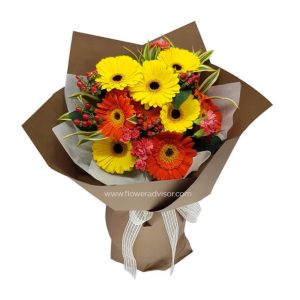
Gerbera flowers symbolize energy and playfulness, making them perfect for the energetic and adventurous ESTP personality.
Recommended Flower
Gerbera
Symbolism
Energy and playfulness
FAQ
- Why are gerberas great for ESTPs? Gerberas reflect the energy and playfulness of ESTPs, with their bright colors and vibrant blooms.
10. Hibiscus – ESFP (Extraverted, Sensing, Feeling, Perceiving)
Hibiscus flowers symbolize beauty, passion, and creativity, matching the cheerful and vibrant nature of ESFPs.
Recommended Flower
Hibiscus
Symbolism
Beauty, passion, and creativity
FAQ
- Why is hibiscus a good match for ESFPs? Hibiscus flowers reflect the beauty and passion of ESFPs, who are energetic and enjoy expressing themselves.
11. Peony – ENFP (Extraverted, Intuitive, Feeling, Perceiving)
Peonies symbolize courage, beauty, and self-expression, perfectly reflecting the colorful and creative nature of ENFPs.
Recommended Flower
Peony
Symbolism
Courage, beauty, and self-expression
FAQ
- Why are peonies ideal for ENFPs? Peonies reflect the ENFP's vibrant personality and creativity, symbolizing beauty and self-expression.
12. Zinnia – ENTP (Extraverted, Intuitive, Thinking, Perceiving)
Zinnias symbolize liveliness and creativity, perfectly matching the innovative and energetic nature of ENTPs.
Recommended Flower
Zinnia
Symbolism
Liveliness and creativity
FAQ
- Why is zinnia suitable for ENTPs? Zinnias represent creativity and energy, aligning with the ENTP's innovative and lively nature.
13. Gladiolus – ESTJ (Extraverted, Sensing, Thinking, Judging)
Gladiolus flowers symbolize strength and integrity, reflecting the assertive and structured nature of ESTJs.
Recommended Flower
Gladiolus
Symbolism
Strength and integrity
FAQ
- Why are gladiolus flowers great for ESTJs? Gladiolus flowers symbolize leadership, strength, and integrity, which are key traits of ESTJs.
14. Chrysanthemum – ESFJ (Extraverted, Sensing, Feeling, Judging)
Chrysanthemums symbolize friendship and support, making them ideal for the social and caring ESFJ personality.
Recommended Flower
Chrysanthemum
Symbolism
Friendship and support
FAQ
- Why are chrysanthemums suitable for ESFJs? Chrysanthemums reflect the caring and social nature of ESFJs, symbolizing friendship and support.
15. White Rose – ENFJ (Extraverted, Intuitive, Feeling, Judging)
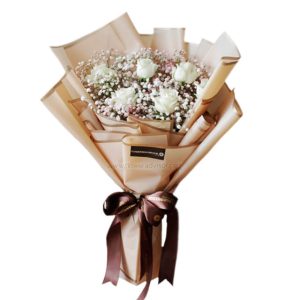
White roses symbolize purity, inspiration, and genuine love, which reflects the empathetic and inspiring nature of ENFJs.
Recommended Flower
White Rose
Symbolism
Purity, inspiration, and genuine love
FAQ
- Why are white roses ideal for ENFJs? White roses symbolize purity and inspiration, reflecting the empathetic and inspiring nature of ENFJs.
16. Protea Flower – ENTJ (Extraverted, Intuitive, Thinking, Judging)
Protea symbolizes strength and courage, matching the leadership and strategic vision of ENTJs.
Recommended Flower
Protea
Symbolism
Strength and courage
FAQ
- Why is protea suitable for ENTJs? Protea symbolizes strength and courage, reflecting the leadership qualities and strategic vision of ENTJs.
